
Welcome to the fast-paced, high-stakes world of event photography! Whether you're capturing the intimacy of a wedding, the energy of a corporate conference, or the joy of a milestone birthday party, being an event photographer means you're a storyteller, technician, and people-person all rolled into one. It’s about more than just snapping pictures; it’s about preserving memories and capturing the unique atmosphere of a moment in time.
Let’s be real, it can be incredibly challenging. From unpredictable lighting and fast-moving subjects to demanding clients and tight timelines, you need a solid game plan to succeed. That's where this guide comes in. We’ve moved past the generic advice to give you a comprehensive blueprint filled with practical event photography tips designed to help you navigate any situation with confidence and skill.
This isn't just a list of things to remember. It's a collection of actionable strategies covering the entire process, from your initial client call to the final photo delivery. We'll explore critical skills like scouting venues, mastering low-light conditions, and capturing authentic candid moments that tell a story. You'll also learn how to prepare your gear, manage event etiquette, and develop an efficient post-processing workflow that saves you time and delivers stunning results.
Think of this as your personal mentor, offering the kind of specific, real-world advice that turns good photographers into great ones. Ready to elevate your work and capture events flawlessly? Let's dive in and transform your approach.
1. Scout the Venue and Plan Your Shots
Walking into an event unprepared is a recipe for missed moments and stressful scrambling. One of the most foundational event photography tips is to conduct a pre-event reconnaissance mission. Scouting the venue beforehand isn't just about seeing the space; it’s about building a mental map for success, allowing you to anticipate challenges and pre-plan your key shots. This preparation transforms you from a reactive picture-taker into a proactive visual storyteller.
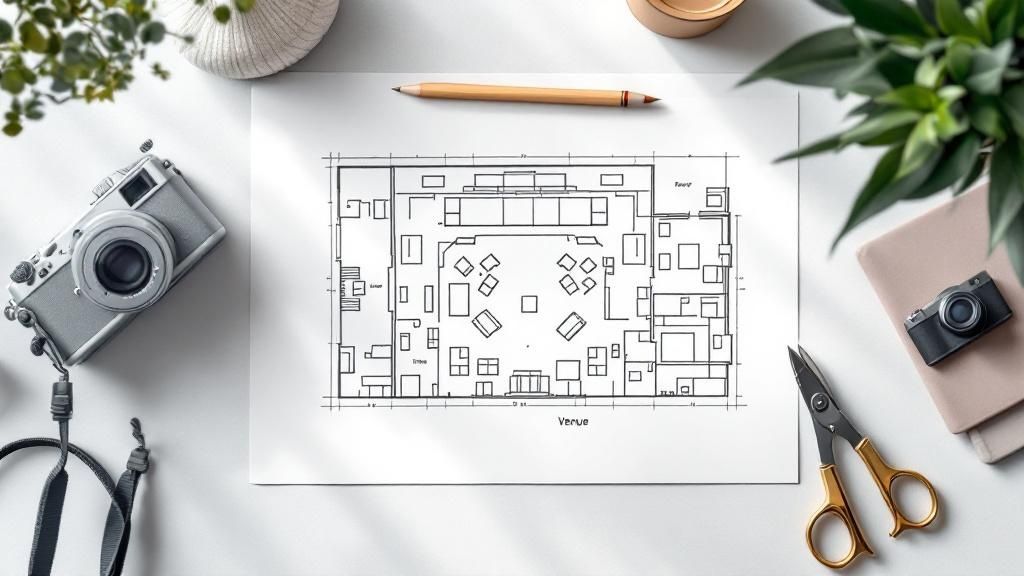
When you scout, you’re looking for the trifecta of event photography survival: light, layout, and logistics. You can identify where natural light falls, where harsh artificial lights are located, and where you'll need to set up your own flashes or strobes. Understanding the floor plan helps you envision the flow of guests and pinpoint the best vantage points for major moments like the wedding ceremony "I do," a keynote speaker's big reveal, or a surprise birthday toast.
Why It’s a Game-Changer
Scouting the venue removes the element of surprise, which is your biggest enemy. Think of a wedding photographer visiting a reception hall weeks in advance. They can see the dimly lit corners where they'll need an off-camera flash, find the best angle to capture the first dance without guests blocking the view, and locate power outlets to charge batteries discreetly. Similarly, a corporate photographer can map out a conference room, deciding where to stand to capture both the speaker on stage and the audience's reactions without being intrusive. This level of planning, especially when considering unique angles, is crucial. For truly expansive venues or outdoor festivals, you might even consider adding an aerial perspective; discover more about how a pre-event survey is vital for drone event photography.
Actionable Tips for Your Recon Mission
To make your venue scout effective, turn it into a structured checklist:
- Take Test Shots: Bring your camera. Snap photos in different areas at the same time of day the event will take place. This reveals exactly how the light behaves, showing you the ISO, aperture, and shutter speed ranges you'll be working with.
- Create a Simple Floor Plan: You don't need to be an architect. A quick sketch of the room layouts with key elements marked (stage, altar, DJ booth, entryways) is invaluable. Mark your potential shooting positions on this map.
- Check with Venue Staff: Ask the venue coordinator about any photography restrictions. Are there areas that are off-limits? Is flash photography permitted everywhere? Their insights can save you from a major headache on event day.
- Locate Your "Base Camp": Find a quiet, out-of-the-way spot where you can safely store your gear bag, swap lenses, or change batteries without being in the middle of the action.
2. Master Low-Light Photography Techniques
From candlelit wedding receptions to dramatic corporate stages, events are rarely blessed with perfect lighting. This is where many photographers stumble, but where you can shine. Mastering low-light photography techniques means you can confidently walk into any dimly lit venue and capture sharp, vibrant, and atmospheric images. It’s about understanding the delicate balance between your camera's settings and the available light to preserve the mood of the moment without sacrificing quality.
Successfully shooting in the dark isn't about one magic setting; it’s a strategy. It involves pushing your gear to its limits, knowing when to use flash, and making smart choices to freeze action and avoid grainy photos. This skill is a core component of professional event photography, allowing you to capture the ambiance of a concert or the intimate feel of a private dinner without blasting the scene with a harsh, mood-killing flash.
Why It’s a Game-Changer
Your ability to handle low light directly translates to the quality and emotional impact of your final gallery. A photographer who relies solely on an on-camera flash in a dark room will produce flat, washed-out images with dark, cavernous backgrounds. In contrast, a photographer skilled in low-light techniques can use a high ISO and a wide aperture to capture the warm, ambient glow of the room, keeping the subjects sharp while letting the background tell the story. This is the difference between a simple snapshot and a professional photograph that transports the viewer back to the event. For more foundational insights, explore these essential tips for event photography that build upon these low-light skills.
Actionable Tips for Low-Light Dominance
To conquer dark environments, you need a technical toolkit. Here’s how to build yours:
- Invest in "Fast" Lenses: Lenses with wide maximum apertures (like f/1.4, f/1.8, or f/2.8) are called "fast" because they let in more light. This allows you to use a faster shutter speed to freeze motion and a lower ISO to reduce noise, making them indispensable for event work.
- Embrace High ISO (Intelligently): Modern cameras handle high ISO settings better than ever. Don't be afraid to push your ISO to 3200, 6400, or even higher. Do some test shots at home to understand at what point your specific camera's noise becomes unacceptable.
- Master Bounce Flash: If you must use a flash, never point it directly at your subjects. Instead, use an external flash you can angle upwards or sideways to "bounce" the light off a ceiling or wall. This creates a much larger, softer light source that looks more natural and flattering.
- Shoot in RAW: This is non-negotiable for low-light situations. A RAW file captures significantly more data than a JPEG, giving you far greater flexibility in post-processing to adjust exposure, recover shadow details, and manage noise without degrading image quality.
3. Capture Candid Moments and Authentic Emotions
While posed group shots have their place, the images that truly resonate are the unscripted ones. The most powerful event photography tips revolve around capturing genuine, candid moments that reveal the true atmosphere of the occasion. This approach is about becoming an observer, a quiet storyteller who documents real interactions, fleeting expressions, and authentic emotions as they unfold. It’s the difference between a picture of people at an event and a picture that tells the story of the event itself.
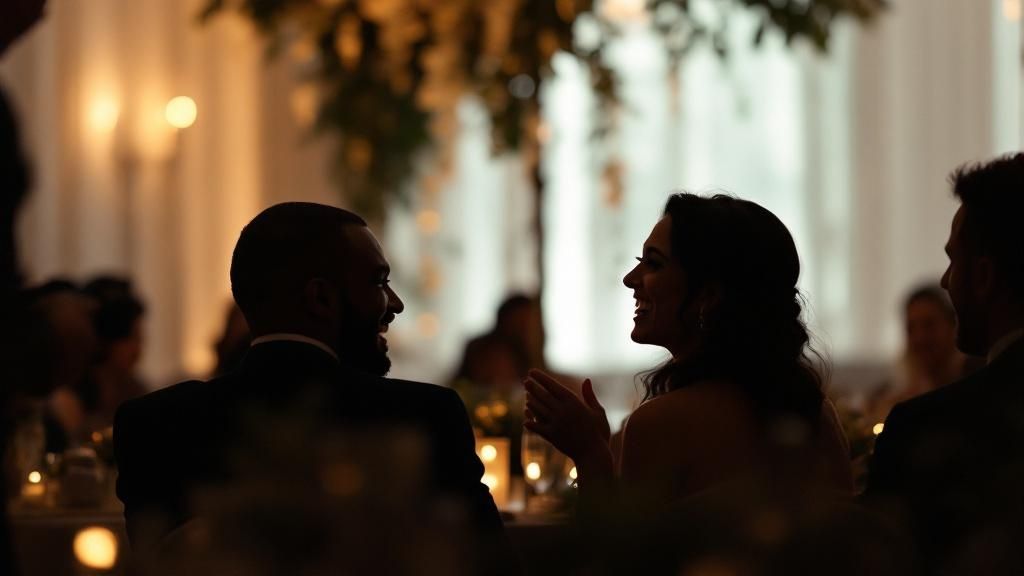
To capture these moments, you must blend into the background. Using a longer zoom lens, like a 70-200mm, allows you to get tight shots of emotional exchanges without intruding on the moment. The goal is to make guests forget you're there, allowing them to interact naturally. You're looking for the story within the story: the proud glance from a parent during a speech, the spontaneous laughter between colleagues at a corporate party, or the tearful hug between friends at a wedding.
Why It’s a Game-Changer
Candid photography is what separates a good event photographer from a great one. These images provide the emotional depth that clients will cherish for years. Think of a wedding album. The posed family portraits are important, but it's the photo of the groom wiping away a tear as the bride walks down the aisle, or the shot of grandparents sharing a quiet laugh during the reception, that truly captures the heart of the day. For corporate events, a candid photo of team members brainstorming with genuine enthusiasm can be far more impactful for marketing materials than a stiff, posed handshake. These images showcase the event's success by highlighting authentic human connection.
Actionable Tips for Capturing Candids
Mastering candid photography requires practice and a specific set of skills. Here’s how to get started:
- Anticipate, Don't Just React: Don't wait for the laugh; shoot just before it happens. During a toast or speech, focus on the audience's faces, not just the speaker. Predict where the emotional peaks will occur and have your camera ready.
- Use Burst Mode Strategically: When you sense a key moment is building, like the "I do" at a ceremony or the announcement of an award, switch to continuous shooting (burst mode). Firing off a quick series of frames increases your chances of capturing the perfect micro-expression.
- Become One with Your Camera: You must be able to change settings like ISO, aperture, and shutter speed without pulling the camera away from your eye. Practice adjusting your dials by feel so you don’t miss a fleeting moment while fumbling with your controls.
- Position Yourself for Interaction: Instead of standing in the center of the room, find a position near high-traffic social hubs like the bar, a dessert table, or the edge of the dance floor. These are natural gathering spots where interactions are guaranteed to happen.
4. Use Appropriate Equipment and Have Reliable Backups
Your talent and creative eye are your greatest assets, but in event photography, your gear is the essential tool that brings your vision to life. Showing up with unreliable or inappropriate equipment is like a chef trying to prepare a gourmet meal with a single dull knife. Professional event photography demands robust, versatile gear and, just as critically, a complete backup plan for when things inevitably go wrong. Murphy’s Law loves photographers, and preparing for equipment failure is non-negotiable.
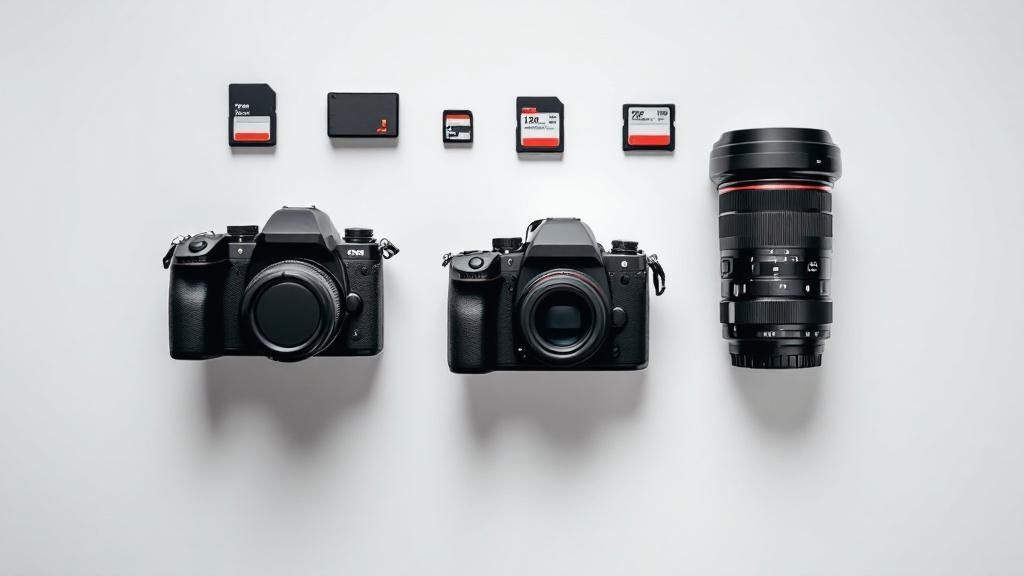
Having the right equipment means more than just owning a "good camera." It means having a system that can adapt to any scenario an event throws at you. This includes multiple camera bodies to avoid time-consuming lens swaps, a range of lenses from wide-angle for group shots to telephoto for candid moments, and more than enough batteries and memory cards. The core principle is redundancy; one is none, and two is one.
Why It’s a Game-Changer
A backup system isn't just a precaution; it's a professional guarantee. Imagine your main camera's shutter fails mid-ceremony at a wedding, or your only flash breaks during a dimly lit corporate awards dinner. Without a backup, the job is over. A prepared photographer, however, can seamlessly switch to a second camera body or flash unit, often without the client even noticing. For instance, many wedding photographers carry two cameras on a harness, one with a wide lens like a 24-70mm and the other with a telephoto like a 70-200mm. This setup not only provides immediate backup but also enhances efficiency, allowing them to capture diverse shots in quick succession.
Actionable Tips for Your Gear Strategy
Building a reliable kit is a continuous process. Here’s how to ensure you’re always prepared:
- Double Everything Critical: Bring at least two camera bodies, multiple lenses, several flashes, and twice the batteries and memory cards you anticipate needing. The extra weight is a small price to pay for peace of mind.
- Leverage Dual Card Slots: If your camera has two memory card slots, use them. Set the camera to write to both cards simultaneously (backup mode). If one card corrupts, you have a perfect copy on the other. This is one of the most important event photography tips for data security.
- Test Your Kit Before Every Event: The day before a shoot, charge all your batteries, format your memory cards, and test every piece of equipment. Fire off a few shots with each camera, lens, and flash combination to confirm everything is communicating correctly.
- Keep Your Backup Accessible: Your backup gear is useless if it's buried in your car. Keep a second camera body and lens in an accessible gear bag nearby, allowing you to make a quick swap in under a minute if your primary setup fails.
5. Understand and Respect Event Etiquette
Technical skill gets you in the door, but professional etiquette keeps you invited back. Event photography is as much about navigating social dynamics as it is about nailing exposure. Being a great photographer means being both invisible and effective, capturing candid moments without ever disrupting the natural flow of the event. This delicate balance of assertiveness and discretion is a crucial skill that separates amateurs from seasoned professionals.
Respecting event etiquette involves a deep understanding of the environment you're in. It means knowing when to use flash and when to switch to a high ISO, communicating seamlessly with other vendors, and respecting the privacy and experience of every guest. From a religious ceremony to a high-energy corporate awards night, your ability to adapt your presence to match the occasion’s tone is paramount. You are there to document the story, not become part of it.
Why It’s a Game-Changer
Poor etiquette can ruin an event’s atmosphere and tarnish your reputation. Imagine a wedding photographer using a loud shutter and bright flash during a silent, emotional vow exchange. The moment is instantly broken. In contrast, a photographer who understands the gravity of the situation will use a silent shutter mode and a fast lens to capture the scene without intrusion. This level of professionalism builds trust with clients and vendors alike. It ensures that guests feel comfortable, leading to more natural and authentic photographs. This professional demeanor is one of the key qualities clients look for when they are learning about how to choose a wedding photographer.
Actionable Tips for Professional Etiquette
To ensure you're always a welcome presence, integrate these etiquette practices into your workflow:
- Introduce Yourself to Key Players: Before the event kicks off, find the event coordinator, DJ, and videographer. A simple "Hi, I'm the photographer, let me know if you need anything" builds an instant rapport and helps coordinate key moments, like ensuring you don't step into the videographer's shot.
- Use Silent Mode Liberally: During quiet, intimate parts of an event like speeches, vows, or prayers, your camera's shutter click can be incredibly distracting. Switch to your camera’s silent or electronic shutter mode to become a photographic ninja.
- Ask Before You Flash: Never assume flash is okay. During a ceremony, ask the officiant beforehand. In a corporate setting, be mindful of speakers on stage. Blasting a bright light in someone's face while they're presenting is both disruptive and disrespectful.
- Dress the Part: Your attire should blend in with the event's dress code. If it's a black-tie gala, wear a suit or formal dress. For a casual backyard party, smart casual is appropriate. Looking like you belong helps you move through the crowd unnoticed.
- Be Mindful of Personal Space: Respect guests' privacy. Avoid taking close-up shots of people eating or having private conversations. When photographing children, it's always a good policy to seek a parent's permission first.
6. Master Composition and Framing Techniques
Great gear can capture an image, but strong composition is what turns that image into a story. Mastering composition and framing techniques is what elevates your work from simple documentation to compelling visual art. It’s about intentionally arranging elements within your frame to guide the viewer's eye, create balance, and evoke emotion. In the fast-paced, unpredictable environment of an event, these principles help you bring order to chaos and find beauty in fleeting moments.
This goes beyond just placing your subject in the center. It’s about using classic rules like the rule of thirds, leading lines, and natural framing to build a more dynamic and engaging photograph. By applying these techniques, you can transform a simple shot of a speaker on a stage into a powerful statement, or a candid photo of guests laughing into a work that feels intimate and significant. This is one of the most crucial event photography tips for creating a memorable and professional gallery.
Why It’s a Game-Changer
Strong composition is the silent partner in your photography, working behind the scenes to make your photos feel "right." Think of a wedding photographer using the archway of a church to perfectly frame the couple as they exchange vows; this doesn't just show the moment, it adds a sense of place and grandeur. A corporate event photographer might use the lines on a conference room floor to lead the viewer’s eye directly to the keynote speaker, adding depth and focus. At a lively reception, including a blurred foreground element, like a champagne glass, can create a sense of immersion, making the viewer feel like they are part of the celebration. These techniques add a layer of sophistication and narrative depth that sets professional work apart.
Actionable Tips for Better Composition
To make these principles second nature, practice them with intention at every event:
- Vary Your Perspective: Don't just shoot from eye level. Get low to the ground for a dramatic, larger-than-life perspective of dancers, or find a higher vantage point to capture the scale and energy of the entire crowd.
- Use Natural Frames: Look for elements in the environment that can frame your subject. Doorways, windows, arches, or even the space between two people’s shoulders can create a natural border that draws attention to your focal point.
- Shoot for the Edit: Capture both horizontal and vertical orientations of key moments. This provides a huge advantage in post-production, giving you and your client more options for social media posts, album layouts, and website banners.
- Master the Rule of Thirds: Mentally divide your frame into a 3×3 grid and place key subjects or elements along the lines or at their intersections. This simple technique creates more tension and visual interest than a centered subject.
7. Develop Efficient Post-Processing Workflows
The shutter clicks are just the beginning; the real magic often happens on the computer. For event photographers, shooting is only half the battle. With hundreds or even thousands of photos from a single event, an inefficient post-processing workflow can bury you in a digital avalanche, leading to missed deadlines and client dissatisfaction. Developing a streamlined system is not just a nice-to-have, it's a critical business practice that ensures you can deliver high-quality images quickly and consistently.
An efficient workflow is your production line, transforming raw captures into a polished final gallery. It encompasses everything from how you import and organize your files to how you cull, edit, and export them. The goal is to minimize repetitive tasks, maintain a consistent look, and get the finished product into your client’s hands while the event's excitement is still fresh.
Why It’s a Game-Changer
A solid post-processing system is the key to profitability and scalability. Imagine a wedding photographer who shoots 1,500 photos on a Saturday. Without an efficient workflow, they might spend 40-50 hours editing, which eats into time for marketing, client meetings, or shooting another event. With a refined system using batch processing and presets, that time can be cut in half. Similarly, a corporate event photographer can leverage a quick workflow to provide a select gallery of "hero shots" for social media on the same day, adding immense value for their client. To dive deeper into building your own system, you can discover more about how to master post-processing workflows for maximum efficiency.
Actionable Tips for Your Workflow
To build a system that works for you, focus on speed and consistency from start to finish:
- Master the Cull: Don't import every single photo into your main editing software. Use a dedicated culling program like Photo Mechanic to rapidly review images and select only the keepers. This step alone can save you hours of waiting for previews to load in Lightroom or Capture One.
- Create Your Signature Presets: Develop a set of custom editing presets in Lightroom that reflect your unique style. These presets should handle your core adjustments like color balance, tone curves, and basic sharpening. Applying a single preset to a batch of photos shot in similar lighting creates a consistent look instantly.
- Use a Tiered Editing Approach: Not every photo needs the same level of attention. Create a three-tier system: Basic (preset applied, exposure corrected), Standard (basic edits plus cropping and minor spot removal), and Premium (detailed retouching for portfolio-worthy hero shots). This focuses your time where it matters most.
- Structure Your Files and Folders: Have a non-negotiable system for file management. A typical structure might be
YYYY-MM-DD_[ClientName]_[EventName], with subfolders forRAW,Culls,Edits, andFinal_Exports. This organizational discipline prevents lost files and makes finding images months or years later a simple task.
8. Build Strong Client Relationships and Communication
Your camera skills can get you in the door, but your client management skills are what will build a sustainable career. Exceptional event photography is a service-based business, and the client's experience with you is just as important as the final images. Building strong relationships through clear and consistent communication ensures you understand their vision, manage expectations, and turn one-time clients into lifelong advocates for your brand. This transforms the transaction into a partnership, leading to smoother event days and more meaningful photographs.
This process starts from the very first inquiry and continues long after the final gallery is delivered. It involves setting up a professional framework with contracts, consultations, and consistent contact. A wedding photographer who takes the time to have a detailed timeline meeting with a couple won't just learn the schedule; they'll learn which family members are most important and which candid moments the couple is dreaming of. Similarly, a corporate photographer who coordinates with a brand's marketing team ensures every shot aligns with the company's messaging and style guide.
Why It’s a Game-Changer
Strong communication eliminates misunderstandings and client disappointment, which are poison to a photography business. When expectations are clearly defined and agreed upon in writing, there's no confusion about deliverables, timelines, or your role on the day of the event. Think of it as creating a shared roadmap. This proactive approach shows professionalism and care, making clients feel secure and valued.
This foundation of trust is crucial. A client who trusts you will be more relaxed in front of the camera, give you the creative freedom to do your best work, and be more likely to recommend you to their network. The entire event planning process is built on this kind of collaboration, and as the photographer, you are a key vendor in that ecosystem. To better understand the client's perspective, it's helpful to see how your role fits into their overall strategy; explore more on this in this guide on how to plan a successful event.
Actionable Tips for Excellent Client Service
Integrate these practices into your workflow to build rock-solid client relationships:
- Use a Detailed Contract: Never work without a signed contract. It should clearly outline the scope of work, hours of coverage, payment schedule, image delivery timeline, usage rights, and cancellation policies. This protects both you and the client.
- Schedule a Pre-Event Consultation: Hold a dedicated meeting (in-person or video call) to dive deep into the client’s priorities. Ask about the "must-have" shot list, the key people, the event's atmosphere, and what they want to feel when they look back at the photos.
- Set Clear Communication Channels: Let clients know the best way to reach you and your typical response time. A simple automated email reply acknowledging their message can go a long way in managing expectations.
- Follow Up and Deliver: After the event, send a thank-you note and a "sneak peek" of a few edited images within 24-48 hours. This generates excitement and shows your commitment. Finally, deliver the full gallery on or before the promised date.
Event Photography Tips: Key Strategy Comparison
| Technique | Implementation Complexity 🔄 | Resource Requirements ⚡ | Expected Outcomes 📊 | Ideal Use Cases 💡 | Key Advantages ⭐ |
|---|---|---|---|---|---|
| Scout the Venue and Plan Your Shots | Medium – requires prior visit | Moderate – travel and time investment | Higher shot quality and coverage | Weddings, corporate events, concerts | Reduces stress, better composition |
| Master Low-Light Photography Techniques | High – requires technical skill | High – fast lenses and high ISO cameras | Professional images in challenging light | Evening receptions, concerts, indoor events | Enables low-light shooting, natural atmosphere |
| Capture Candid Moments and Authentic Emotions | High – needs vigilance and reflexes | Moderate – longer lenses recommended | Authentic, emotional, storytelling images | Weddings, parties, corporate events | Creates emotional resonance, natural shots |
| Use Appropriate Equipment and Have Reliable Backups | High – managing multiple gear | Very High – multiple bodies, lenses | Reliability and versatility | All event types needing adaptability | Prevents missed shots, professional reliability |
| Understand and Respect Event Etiquette | Medium – awareness and communication | Low – knowledge and professionalism | Smooth event flow, positive relationships | Sensitive ceremonies, cultural events | Maintains professionalism, prevents disruptions |
| Master Composition and Framing Techniques | Medium to High – requires practice | Low – no extra gear needed | Visually engaging, professional images | All event types | Enhances storytelling, emotional impact |
| Develop Efficient Post-Processing Workflows | Medium – setup and learning curve | Moderate – editing software | Faster turnaround, consistent quality | High-volume events, weddings, corporate | Time-saving, consistent client delivery |
| Build Strong Client Relationships and Communication | Medium – requires time investment | Low – communication tools and effort | Trust, repeat business, fewer conflicts | All event types, especially weddings | Builds loyalty, enables premium pricing |
From Planner to Pro: Your Next Steps in Event Photography
Whew, that was a lot to cover, but mastering the art of event photography isn't about memorizing a single rule; it's about building a comprehensive toolkit. We’ve journeyed through the entire lifecycle of an event, from the critical first steps of scouting a venue and meticulously planning your shots to the final, polish-adding stage of an efficient post-processing workflow. Think of each of these eight core areas not as isolated tips but as interconnected pillars supporting your entire craft.
Your ability to master low-light photography isn't just a technical skill; it's what allows you to preserve the intimate, candle-lit ambiance of a wedding reception. Likewise, capturing candid moments moves your work from simply documenting attendance to telling a deeply human story filled with laughter, tears, and authentic connections. These are the images clients cherish and share, the ones that build your reputation far more effectively than any business card.
Turning Knowledge into Actionable Skill
So, where do you go from here? The journey from reading these event photography tips to becoming a sought-after professional is paved with practice. Don’t just read about it; do it.
- Create a Practice Gauntlet: Before your next paid gig, challenge yourself. Go to a poorly lit cafe and practice finding pockets of light. Attend a free public festival and focus solely on capturing candid emotions without being intrusive. Treat these as real assignments.
- Build Your "Plan B" Kit: Don’t wait for a crisis to realize you need backups. Systematically acquire and test your secondary gear. A spare battery, an extra memory card, a backup lens, these aren't luxuries. They are the essential safety nets that separate amateurs from reliable professionals.
- Role-Play Client Communication: Practice your pre-event conversations. Write down your standard list of questions. How will you confirm the shot list? How will you set expectations about delivery timelines? Having these scripts ready makes you appear more professional and ensures nothing critical gets missed.
The true value of these strategies lies in their combined power. Strong client communication makes respecting event etiquette second nature because you’ve already aligned on expectations. A deep understanding of composition elevates your candid shots from random snaps to artful narratives. And having reliable equipment gives you the confidence to experiment and push creative boundaries, even in challenging environments.
The Bigger Picture: Beyond the Camera
Remember, as an event photographer, you are more than just a person with a camera. You are an archivist, a storyteller, and a crucial part of the event's success. Your professionalism, your calm demeanor under pressure, and your ability to blend into the background while capturing key moments are just as important as your F-stop settings.
Every event is a new opportunity to refine your approach. Did you miss a key shot? Analyze why. Was your workflow a bottleneck? Find the inefficiency and fix it. This cycle of shooting, reviewing, and refining is the engine of growth. The most successful event photographers are perpetual students of their craft, always curious and always pushing to be better than their last shoot. By embracing these event photography tips not as a checklist but as a mindset, you aren't just improving your photos; you are building a resilient, respected, and rewarding career. Now, take this knowledge, charge your batteries, and go create something unforgettable.
Plan Your Event with 1021 Events
Want your event captured professionally? Based in Fort Atkinson, 1021 Events provides event photography and videography services throughout Southern Wisconsin and Northern Illinois.
Explore our services, then check availability through our inquiry form.