You’re likely staring at a venue quote, a timeline draft, and a dozen tabs trying to answer one simple question: do you just need someone to play music, or do you need a full event atmosphere?
That’s where a lot of hosts get tripped up.
A playlist can fill silence. Party dj services are supposed to shape the night. They manage timing, energy, announcements, transitions, sound quality, and increasingly, the visual side of the room too. The difference quickly becomes apparent. One event feels like people are waiting around for something to happen. The other feels like every moment lands when it should.
More Than Just Hitting Play The Core Job of a Party DJ
I’ve watched this play out more times than I can count.
At one event, a laptop sat on a cocktail table pushing through a generic playlist. The songs weren’t bad. They were just disconnected from the room. Toasts started late because nobody had a mic ready. The dance floor never opened because there was no one steering the energy.
At another event, the DJ handled music like a chef handles a dinner service. The right song arrived at the right moment. The microphone sounded clear for every speech. The room shifted smoothly from cocktails to introductions to dancing without guests noticing the mechanics behind it.
That is the essential job.

The DJ is the architect of the vibe
A professional DJ isn’t just pressing play. They’re reading the room, protecting the timeline, and deciding when to lift the energy or let people breathe.
That matters because weddings and private parties are the biggest part of the market, with 45% of DJs reporting wedding-related celebrations and 27% reporting private parties in a 2025 survey by Insurance Canopy. The same source notes the global electronic music industry reached $12.9 billion in 2025. Those numbers tell you this isn’t a niche service. It’s a major event category with real demand and high expectations (Insurance Canopy DJ and performer trends).
If you’re still mapping all the moving pieces, a practical planning tool like this essential event coordinator checklist template helps keep entertainment aligned with the rest of the event instead of treating music like a last-minute add-on.
Why hosts frequently underestimate the role
Many hosts book a DJ after they’ve chosen the venue, food, and decor. That’s understandable. But the entertainment team controls the parts guests remember most clearly:
- The pacing: Are guests standing around during transitions, or does the night keep flowing?
- The emotion: Does the grand entrance feel flat, elegant, explosive, or awkward?
- The clarity: Can everyone hear the welcome, toast, or auctioneer?
- The participation: Do people stay seated, or do they get pulled into the moment?
A good DJ doesn’t force energy. They spot it early, protect it, and build on it.
That’s also why the DJ and MC relationship matters so much. If you want a quick sense of what makes someone effective on a microphone, this guide on how to be a good MC shows the kind of communication skill that separates smooth events from clunky ones.
The Core Components of Every Great DJ Service
Before you think about cold sparks, drone footage, or custom lighting, get the basics right. Every strong DJ service stands on a few essential elements. If any one of them is weak, guests feel it swiftly.

The DJ and the MC are two distinct jobs
People use “DJ” as a catch-all term, but there are two roles in play.
The DJ curates music, mixes tracks, manages transitions, and reads crowd energy.
The MC guides the room. They make announcements, introduce speakers, cue formalities, and keep the timeline moving without sounding stiff or overbearing.
Sometimes one person does both well. Sometimes they don’t.
If the DJ is the chef, the MC is the server who brings each course out at the right time. Great food served at the wrong moment feels messy. Great music introduced badly has the same problem.
Sound is infrastructure, not decoration
Hosts spend a lot of time thinking about centerpieces and little time thinking about gain structure. Guests do the opposite, even if they don’t realize it. They may forget the napkin fold. They will remember the speech they couldn’t hear.
Professional party DJ services rely on specific audio practices to prevent the classic event problems. According to a corporate DJ equipment guide, pros manage wireless microphones in the UHF 400 to 900 MHz range and use parametric equalizers to notch out feedback frequencies common in banquet spaces. That’s part of how they keep speech clear and music controlled at 95 to 105 dB SPL peaks (corporate event DJ guide).
Here’s the plain-English version. Feedback happens when the mic starts “hearing” the speaker and creates a loop. A trained DJ hears the danger before the room hears the squeal.
Practical rule: If a vendor talks a lot about playlists but not much about microphones, speakers, backups, and setup timing, ask more questions.
The six things every complete package should include
Not every event needs the same extras. But the foundation should look something like this:
- Music planning: The DJ should ask about must-play songs, do-not-play songs, age range, and key moments.
- MC support: Someone needs to confidently handle names, announcements, and cues.
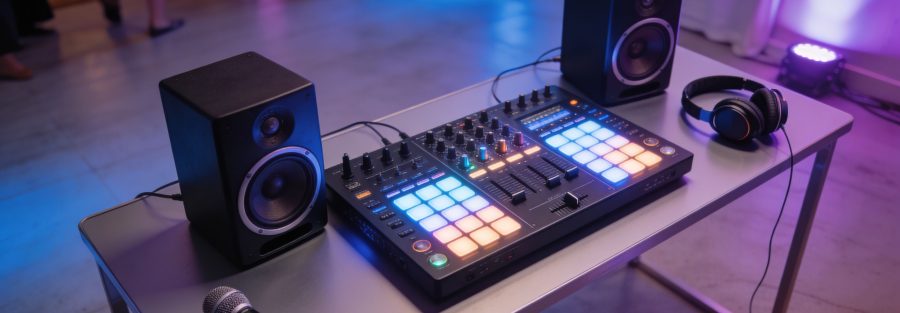
- A proper sound system: Not consumer speakers. Event-grade gear sized for the room.
- Basic lighting: Enough to define the dance floor and give the room shape after dark.
- A broad music library: A DJ should be able to move from old school to current tracks without panic.
- Backup equipment: If a cable, mic, controller, or speaker fails, the event can’t stop.
Planning is part of the service
The strongest vendors do a lot of their best work before event day. They ask about entrances, speeches, surprise moments, venue restrictions, and load-in details. They also coordinate with photographers, planners, and venue managers so the entertainment doesn’t operate in a silo.
That’s particularly true if your event also needs separate audio support. If you’re trying to understand what a full room setup includes, this breakdown of party sound system rental is useful because it shows how sound coverage becomes its own planning category once your guest count, room layout, or speaking needs grow.
Backup gear is part of professionalism
This one sounds boring until something breaks.
A serious DJ service treats duplicate gear the way a caterer treats extra plates. It’s not flashy, but it saves the event. Spare microphones, cables, playback options, and power planning are the quiet details that keep formal moments from falling apart.
Elevating the Experience with Modern Production Add-Ons
Once the basics are covered, the event can start feeling designed instead of staffed.
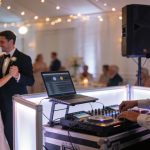
Many modern party DJ services separate themselves through these additions. Music remains central, but lighting, visuals, effects, and content capture work together to create something guests feel with their whole body, not just their ears.

Lighting changes how music is perceived
Two rooms can play the exact same song and feel completely different.
A room with flat overhead house lights feels exposed. A room with uplighting, moving effects, and a defined dance area feels intentional. Guests loosen up faster because the space gives them permission to.
That doesn’t mean every event needs nightclub-style intensity. It means the visuals should support the mood. Warm amber tones work differently than cool white. A gala wants a different visual language than a birthday blowout.
Gobos make the room personal
A monogram Gobo projection is one of the easiest ways to make an event feel custom. It can place initials, a company logo, or an event mark onto a wall, dance floor, or entrance area.
For weddings, it adds identity.
For corporate events, it adds branding without hanging another vinyl banner in the room.
For charity events, it can highlight a sponsor or reinforce the evening’s mission in a subtle way that still feels polished.
Cold sparks create a moment without hijacking the room
Cold sparks are one of those effects people ask about because they’ve seen them online, but many hosts still don’t know how to use them well.
The trick is restraint.
Use them for a grand entrance, a first dance accent, a product reveal, or a big finale. If they fire every ten minutes, the effect stops feeling special. The best production teams treat them like punctuation, not wallpaper.
Drone footage adds memory, not just coverage
This is one of the most overlooked upgrades in event entertainment.
A regular video captures what happened. Aerial footage captures scale, flow, reactions, and environment in a way ground cameras frequently cannot. It turns a crowded dance floor, outdoor cocktail hour, or dramatic venue entrance into something cinematic.
That matters further for branded events. A source discussing this underserved angle notes that 68% of corporate planners seek hybrid tech-entertainment for better engagement, yet few DJ services clearly explain how music, drone visuals, and custom projections can work together in one coordinated experience (event entertainment and visual integration).
The True Value is Synchronization
The flashy tools aren’t the point. The timing is.
A strong production team syncs each element so the event feels cohesive:
- Music cue plus entrance lighting: Guests feel that the evening has officially started.
- Logo Gobo plus walk-on music: A corporate brand lands in the room without a speech.
- Cold sparks plus key drop: One song moment becomes the clip people share later.
- Drone pass plus packed dance floor: The recap video captures the emotional peak.
Most effects fail because they’re added on top. The best ones are woven into the run of show.
Think in scenes, not add-ons
This is the mindset shift that helps hosts make better choices.
Don’t ask, “Should I add uplights, cold sparks, and a photo booth?”
Ask, “What scenes do I want guests to remember?”
For example:
| Event moment | Production choice | Why it works |
|---|---|---|
| Guest arrival | Soft lighting and curated background music | Sets tone before formalities begin |
| Grand entrance | Music cue, focused lighting, optional cold sparks | Creates a clear emotional peak |
| Dancing | DJ booth lighting, haze, energized sound | Gives the floor shape and momentum |
| Brand reveal or sponsor recognition | Gobo projection and scripted music cue | Reinforces message without stopping the event |
| Post-event recap | Drone and traditional video coverage | Preserves the room’s energy from multiple angles |
One provider that offers these elements together is 1021 Events’ DJ lighting package, which combines DJ/MC support with event lighting and other production options depending on the event style.
When these pieces are planned together, the DJ stops being a vendor in the corner and becomes part of the event’s overall experience design.
Decoding Party DJ Prices and Packages
Pricing confuses people because “DJ service” can mean vastly different things.
One quote may cover a person with basic gear for a short set. Another may include planning meetings, MC support, a full sound system, dance floor lighting, visual effects, setup labor, breakdown, and coordination with the rest of the vendor team. Both can be called DJ services, but they’re not the same product.
What usually moves the price
Several factors shape cost, even before you start discussing premium effects.
First is time. A short birthday set and a full wedding reception require different prep, setup, and performance windows.
Second is event complexity. A simple party in one room is easier than a gala with speeches, awards, branded visuals, and multiple cue points.
Third is gear scope. A compact room may need a straightforward setup. A larger guest count, multiple speaking moments, or specialty effects adds equipment and labor.
Fourth is date pressure. Popular weekends and high-demand dates reduce flexibility.
Sample package table
Here’s a practical way to think about packages. These are example structures, not universal standards.
| Package Tier | What's Typically Included | Estimated Price Range |
|---|---|---|
| Essential DJ Package | DJ performance, basic MC support, standard sound system, limited dance floor lighting, pre-event planning call | Varies by market, date, duration, and room needs |
| Premium Production Package | DJ/MC, expanded sound, upgraded lighting, custom playlist planning, timeline coordination, enhanced room effects | Higher than essential packages because equipment and planning expand |
| Ultimate Experience Package | DJ/MC, full production design, lighting layers, branded Gobo, special effects such as cold sparks, photo or video add-ons, detailed cueing | Premium investment level based on scope and creative direction |
Why cheaper quotes can mislead
A low quote isn’t automatically bad. But it can hide missing pieces.
Watch for these gaps:
- No MC coverage: Someone still has to make announcements.
- Minimal planning: If nobody asks about timeline, names, or formalities, the event may feel stitched together.
- Weak sound coverage: Clear audio for speeches is frequently where bargain setups struggle.
- No backup plan: Risk manifests here.
- Add-ons priced separately: The initial quote may look lean until basic event needs are layered back in.
If two quotes are far apart, compare the labor, gear, and planning hours. Don’t compare only the headline number.
Ask for package logic, not just package names
Names like Silver, Gold, and Platinum don’t tell you much. Ask what changes between them.
Does the sound system scale up? Is there a second technician? Are custom cues included? Is branding support part of the package? Are effects integrated into the timeline or dropped off as extras?
For a deeper breakdown of how these variables affect what you’ll spend, this guide on how much is a DJ for a party is a useful companion when you’re comparing proposals.
Matching the DJ Service to Your Specific Event
The right DJ service depends on the job the event needs done. A wedding, a company party, a birthday, and a charity gala can all use music, microphones, and lighting. They still need different instincts.

Weddings need emotional range
A wedding DJ has to handle romance, family dynamics, formal cues, and a multi-generational dance floor. That’s a lot more nuanced than “play fun songs.”
Consistency is also essential. A 2025 analysis of Resident Advisor profile data found only 1.6% of more than 134,000 DJs had five or more upcoming gigs as of May 2025, which highlights how few DJs remain highly active and consistently booked (DJ economics analysis).
Corporate events need control and branding
Corporate entertainment is less forgiving than people think. The DJ has to sound polished, support presentations, and know when the event should feel energetic versus restrained.
Branded production choices are especially helpful here. A Gobo with a company mark, controlled lighting, and clean mic handling often do more than trying to turn the evening into a club.
If you’re planning a seasonal work celebration and want inspiration on format and tone, this roundup of corporate Christmas parties is handy because it shows how different entertainment styles fit different company cultures.
Private parties need momentum
For birthdays, anniversaries, graduation parties, and milestone celebrations, the big need is primarily pace. Guests want the event to move. They want songs they know. They want the room to feel alive quickly.
A private party DJ should ask sharper questions than people expect. Who are the core dancers? Is there a theme? Are there cultural music priorities? Will kids be present early? Is there a surprise entrance or slideshow?
Charity galas need clarity
Galas frequently fail when the entertainment team treats them like regular parties.
The room needs to support speeches, mission moments, auctions, sponsor visibility, and then, after all that, a release into celebration. The DJ’s value here is discipline. They need to know when not to fill every second with sound.
If you’re comparing options for a wedding, social event, or formal function, this page on hire a party DJ helps frame the differences in service style.
Your Essential DJ Booking Checklist
Once you know what kind of event you’re building, the hiring process gets easier. You’re no longer asking, “Can you DJ?” You’re asking, “Can you run this room well?”
That’s a far better question.
Questions to ask before you sign anything
Use these in your consultation. They’ll tell you a lot, fast.
What kinds of events do you handle most often?
You want experience that matches your event, not just general confidence.Will you also act as the MC?
Don’t assume announcements are included.What sound equipment do you bring?
Ask how they handle speeches, dance music, and room size.What’s your backup plan if something fails?
Spare microphone? Backup controller? Alternate playback source?How do you handle music requests?
Some DJs welcome them. Some filter them. Some only take requests from the host.What planning happens before the event?
Look for timeline review, must-play and do-not-play lists, and venue coordination.Are you insured?
Many venues ask for proof.Who will be on site?
If a company books the event, make sure you know whether the person you met is the person performing.What’s included in the quote?
Setup, breakdown, microphones, lighting, travel, overtime policy, all of it.Can you support production extras if we add them?
This matters if you may add visual elements later.
Ask the DJ how they prevent dead air. Their answer tells you more than their playlist ever will.
Red flags worth noticing
You don’t need a giant warning sign. Small clues are enough.
- Vague answers: If they can’t explain their setup clearly, that often shows up on event day.
- No questions for you: Good DJs ask a lot because details matter.
- No written agreement: That’s trouble waiting for a date, time, or service dispute.
- Overfocus on themselves: You want someone focused on your event flow, not only their personal style.
A simple booking roadmap
The process doesn’t need to feel mysterious. Most solid bookings follow a similar path:
| Step | What happens |
|---|---|
| Initial inquiry | You share date, venue, event type, and what kind of atmosphere you want |
| Consultation | You discuss music style, MC needs, production options, and logistics |
| Contract and deposit | Scope, timing, payment terms, and policies are confirmed |
| Planning session | Timeline, special songs, announcements, and cue points are finalized |
| Event day | Setup, sound check, execution, and breakdown happen according to plan |
Keep one document with everything
Before the event, make a single working document with:
- Timeline details: Formal start times, speeches, first dance, awards, or special entrances
- Pronunciation notes: Names that matter should be written phonetically
- Music guidance: Must-plays, no-go songs, cultural preferences, clean versions if needed
- Vendor contacts: Planner, venue manager, photographer, videographer
- Special moments: Surprise guests, presentations, cake cutting, sponsor recognition
That one document becomes the playbook.
When you hand a DJ clear information, they can spend less time guessing and more time delivering the kind of night people talk about later.
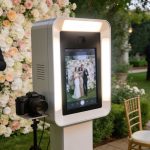
If you want help turning music, lighting, visuals, and event flow into one coordinated plan, 1021 Events offers DJ/MC services along with sound, lighting, photo booth, videography, drone coverage, cold sparks, haze, and custom Gobo options for weddings, parties, corporate events, and charity functions.